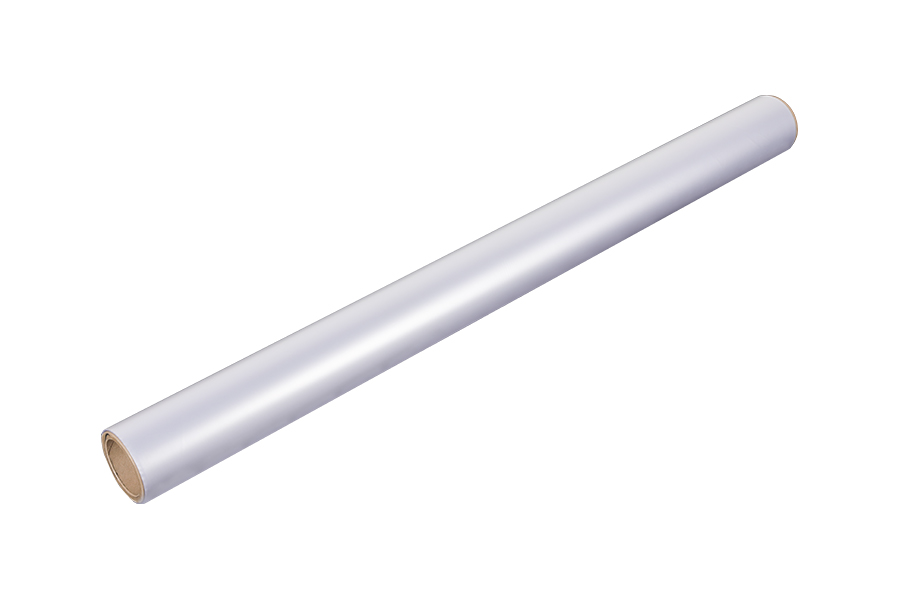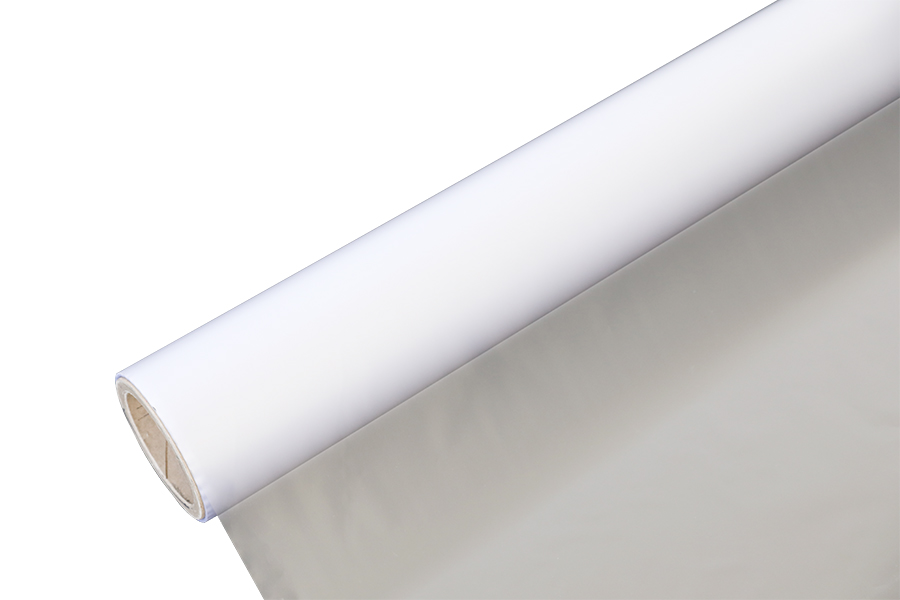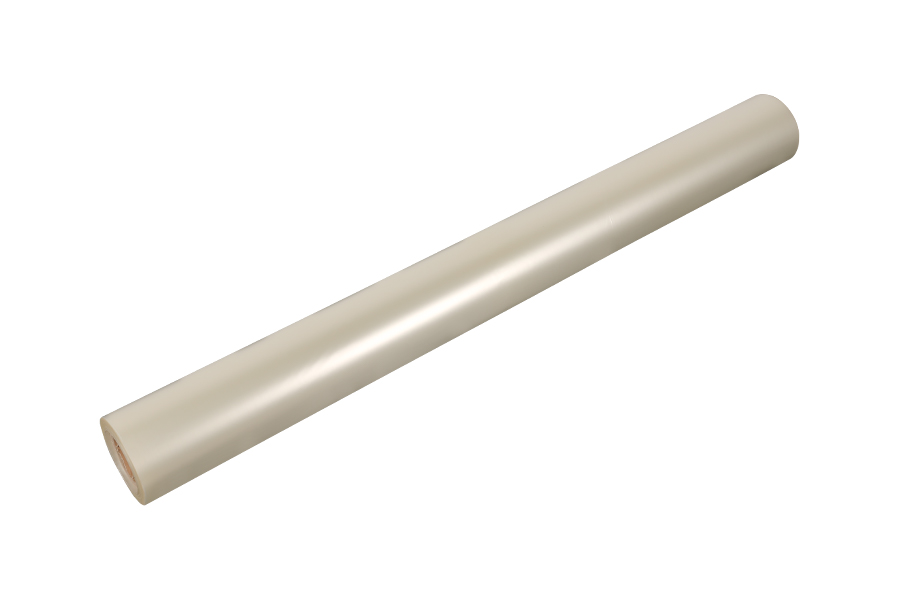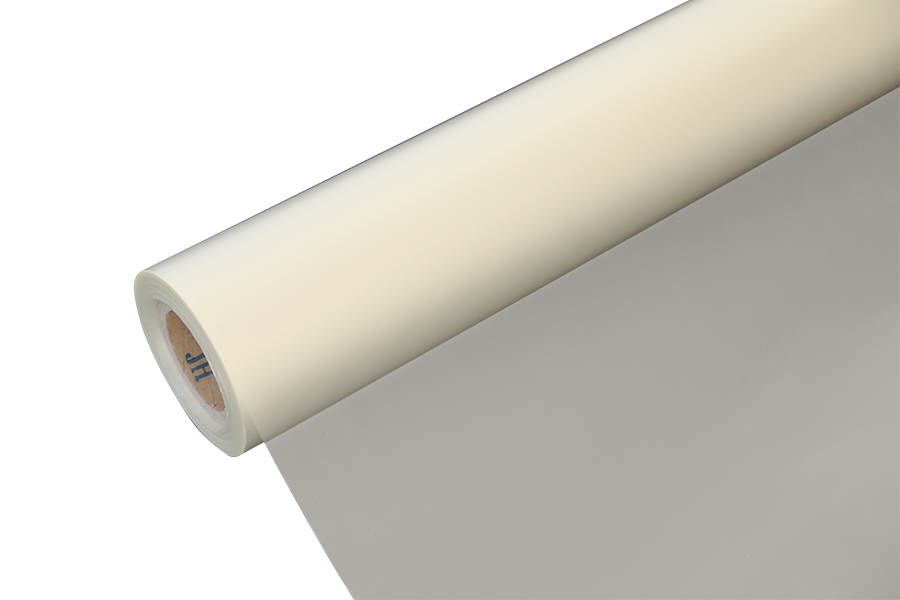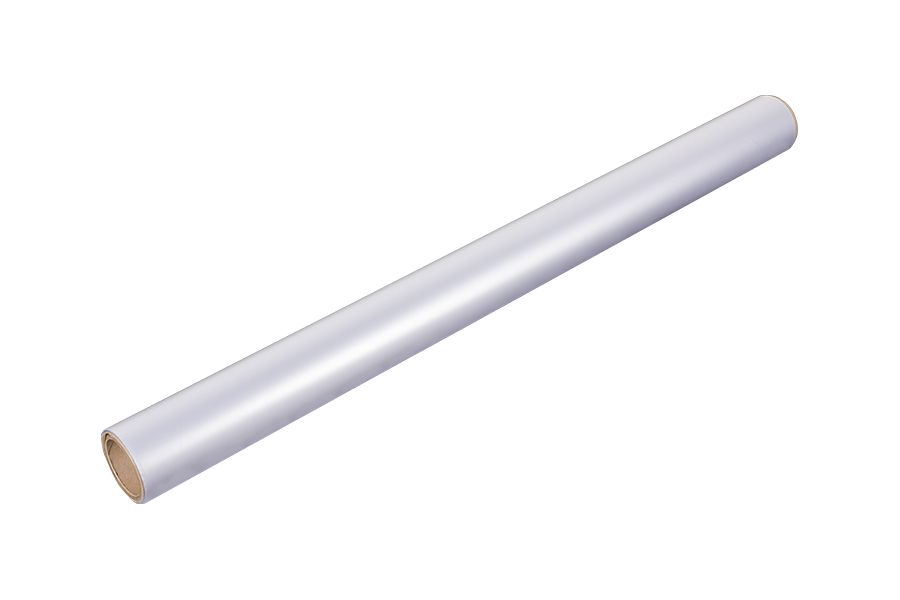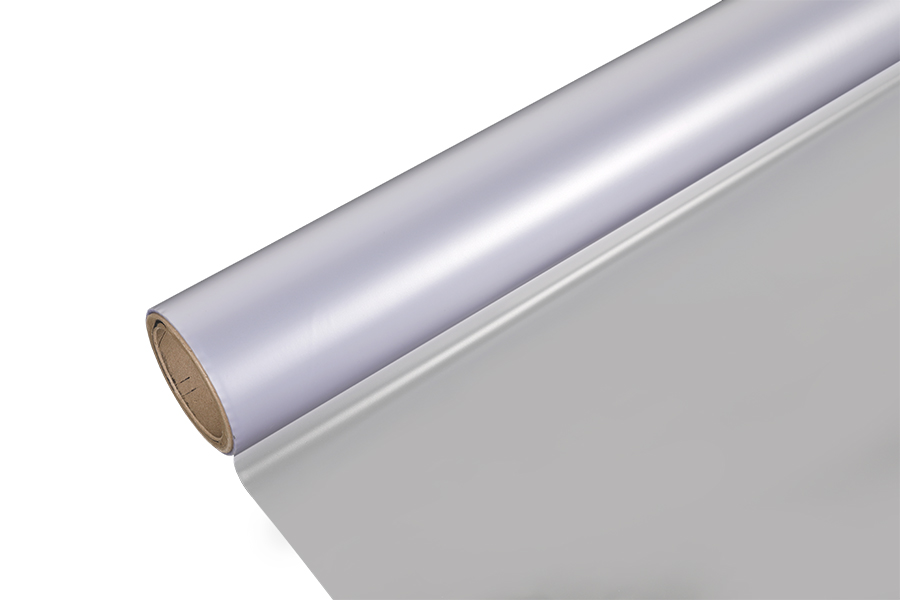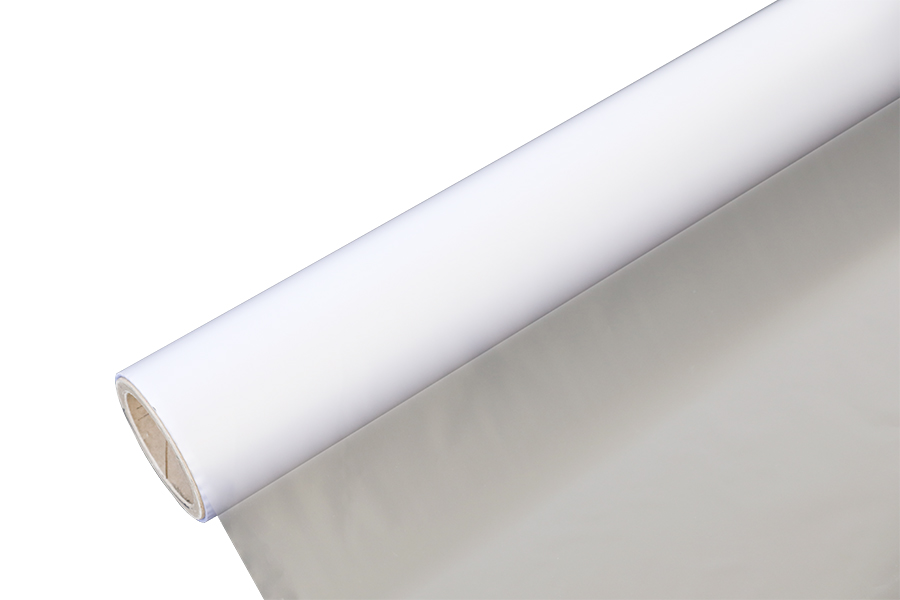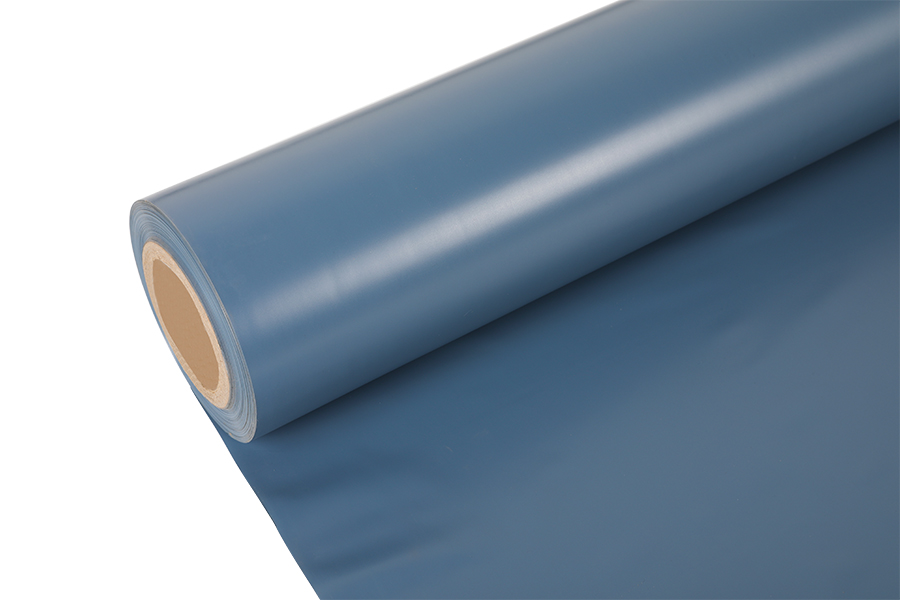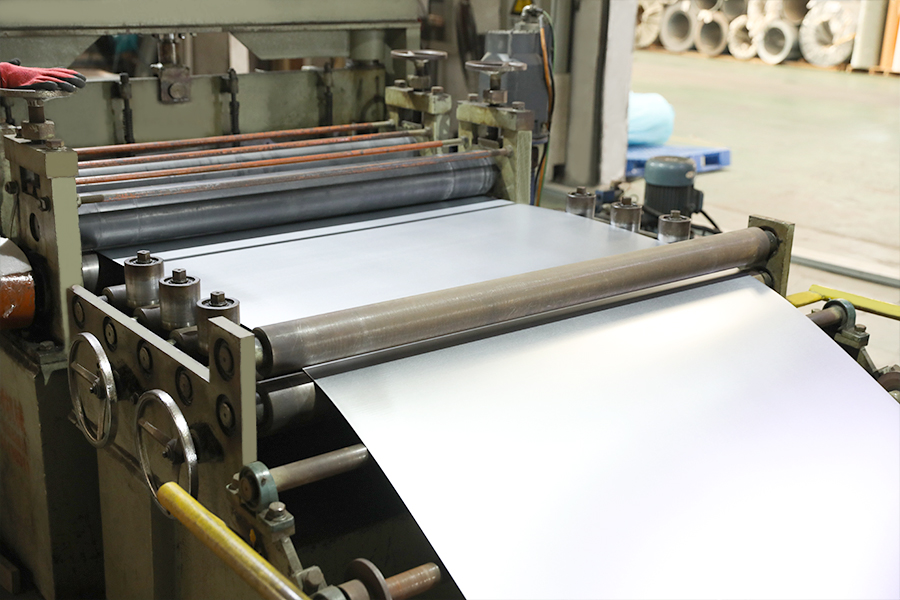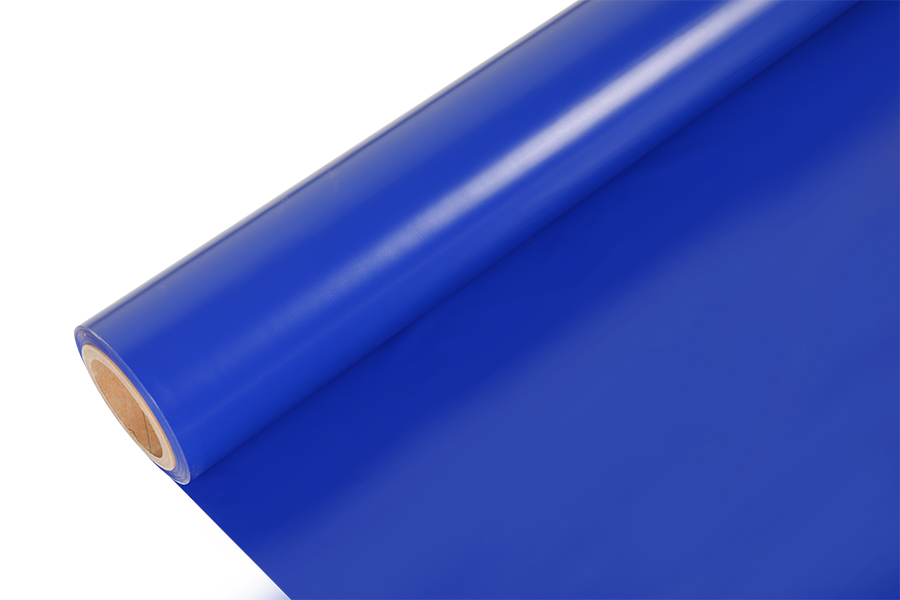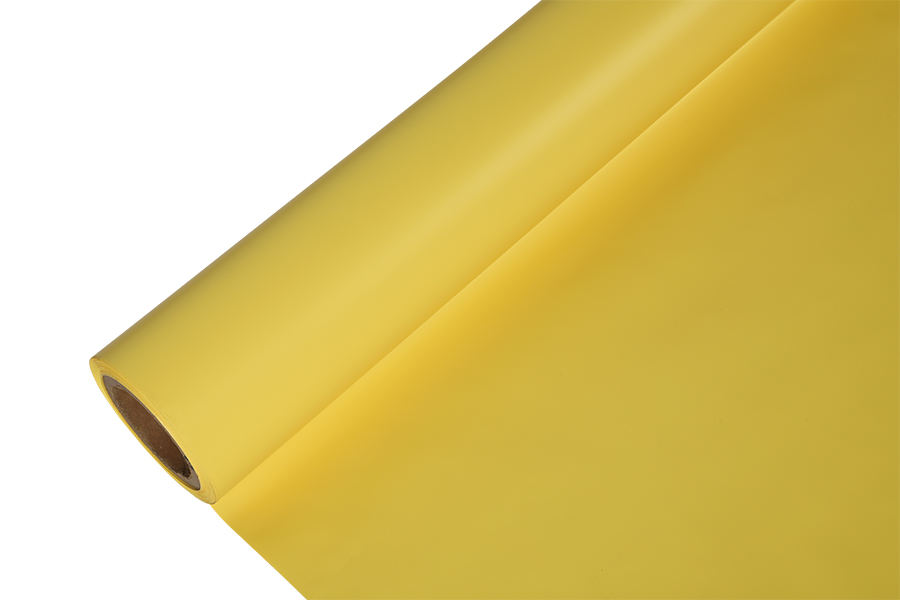

PVC decorative film has revolutionized the furniture and interior design industry by offering an affordable, versatile alternative to traditional materials like solid wood, veneer, and laminates. These thin polymer films bond to substrates including MDF, particleboard, metal, and plastic, creating attractive surfaces that mimic wood grain, stone, fabric, and countless other textures. For homeowners, designers, and manufacturers considering PVC decorative film applications, understanding the expected lifespan and factors influencing durability proves essential for making informed decisions about material selection, maintenance investments, and long-term value. This comprehensive guide examines the realistic longevity of PVC decorative films across various applications, the elements that accelerate or extend their useful life, and practical strategies for maximizing performance throughout their service period.
Expected Lifespan in Different Applications
The lifespan of PVC decorative film varies significantly depending on application type, usage intensity, and environmental conditions. Understanding these variations helps set realistic expectations and guides appropriate material selection for specific projects. Indoor furniture applications under normal residential use typically see PVC decorative films lasting 10 to 15 years before showing significant wear or aesthetic degradation. Kitchen cabinets, wardrobe doors, and bedroom furniture in moderate-use households often maintain acceptable appearance throughout this period, though high-contact areas like cabinet handles and drawer fronts may show earlier wear.
Commercial and high-traffic applications experience accelerated wear compared to residential settings, reducing expected lifespan to 5 to 10 years depending on usage intensity. Office furniture, retail fixtures, and hospitality installations face constant handling, cleaning, and environmental stresses that gradually degrade film appearance and adhesion. Reception desks, conference tables, and store displays exemplify high-contact applications where films endure daily abrasion, chemical exposure from cleaning products, and temperature fluctuations that cumulatively reduce longevity below residential benchmarks.
Outdoor and semi-outdoor applications present the harshest conditions for PVC decorative films, with UV radiation, temperature extremes, and moisture exposure dramatically reducing lifespan unless films specifically rated for exterior use are selected. Standard PVC decorative films intended for interior applications deteriorate rapidly outdoors, often showing fading, cracking, and adhesion failure within 1 to 3 years. Specialized exterior-grade films incorporating UV stabilizers and weather-resistant formulations extend outdoor lifespan to 5 to 8 years, though even these premium products eventually succumb to environmental degradation requiring replacement or refinishing.
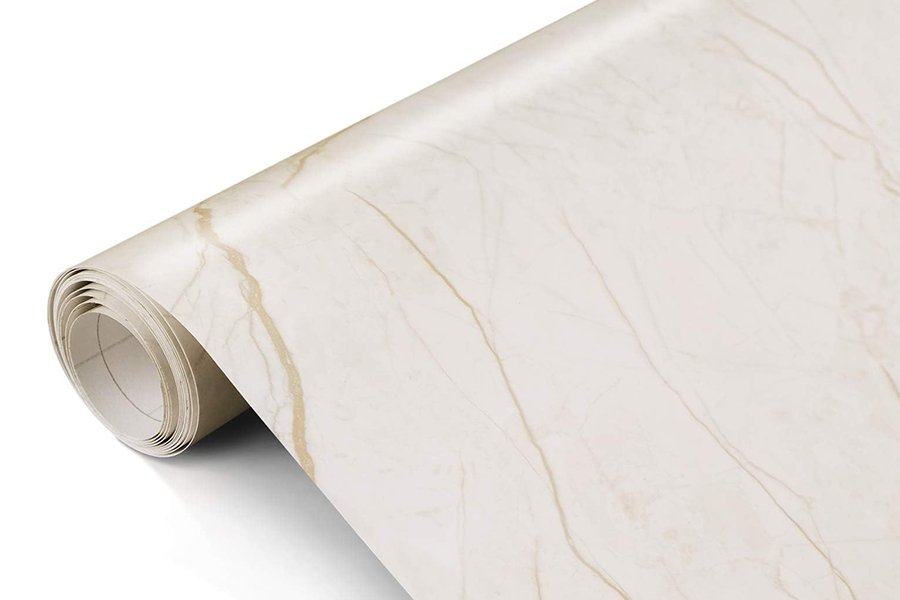
Wall and ceiling applications generally experience longer lifespans than furniture surfaces due to minimal physical contact and abrasion. PVC decorative films applied to walls in residential and commercial interiors commonly maintain appearance for 15 to 20 years or more when protected from direct sunlight, excessive humidity, and mechanical damage. The vertical orientation reduces dust accumulation compared to horizontal surfaces, while the lack of functional use eliminates the wear patterns that degrade furniture films. This extended lifespan makes wall film applications particularly cost-effective for renovation projects and temporary design schemes.
| Application Type | Expected Lifespan | Primary Degradation Factors |
| Residential Furniture | 10-15 years | Normal wear, cleaning, UV exposure |
| Commercial Furniture | 5-10 years | Heavy use, frequent cleaning, abrasion |
| Interior Walls | 15-20 years | Minimal contact, UV exposure |
| Outdoor (Standard Film) | 1-3 years | UV, weather, temperature extremes |
| Outdoor (Exterior-Grade) | 5-8 years | UV, moisture, thermal cycling |
Critical Factors Affecting Film Longevity
Multiple interrelated factors determine how long PVC decorative films maintain their appearance and adhesion, with some elements controllable through proper selection and maintenance while others depend on inherent product quality and application conditions. Understanding these factors enables strategies to maximize film lifespan and prevent premature failure.
UV radiation exposure represents perhaps the single most damaging environmental factor for PVC decorative films, causing photodegradation that breaks down polymer chains and degrades plasticizers essential for film flexibility. This degradation manifests as color fading, surface chalking, brittleness, and eventual cracking or delamination. Films near windows receiving direct sunlight deteriorate significantly faster than those in interior locations protected from UV exposure. Window treatments including blinds, curtains, or UV-filtering films dramatically extend PVC decorative film lifespan by reducing radiation exposure, while UV-stabilized film formulations incorporate additives that absorb or reflect ultraviolet energy before it damages the polymer structure.
Temperature fluctuations and extremes stress PVC films through thermal expansion and contraction cycles that fatigue the material and compromise adhesive bonds. Repeated heating and cooling cause dimensional changes in both the film and substrate, creating shear stresses at the interface that gradually weaken adhesion. Applications near heat sources including radiators, cooking appliances, or heating vents experience accelerated aging compared to temperature-stable environments. High temperatures above 140°F can soften PVC films causing distortion or adhesive failure, while extreme cold makes films brittle and prone to cracking under mechanical stress. Maintaining stable, moderate temperatures between 60-80°F optimizes film performance and maximizes lifespan.
Moisture and humidity affect PVC decorative films primarily through their impact on substrate materials and adhesive performance rather than direct film degradation. PVC itself resists water absorption and maintains integrity when wet, but moisture penetrating through seams, edges, or damage points can swell MDF or particleboard substrates, creating blisters or delamination in the covering film. High humidity environments including bathrooms and kitchens accelerate these moisture-related failures unless proper edge sealing and moisture-resistant substrates are employed. Maintaining relative humidity between 40-60% and promptly addressing any water exposure prevents moisture-related film deterioration.
Chemical exposure from cleaning products, solvents, and household substances can damage PVC decorative films through dissolution, plasticizer extraction, or surface etching depending on the chemical nature and contact duration. Harsh alkaline cleaners, acetone, and strong solvents attack PVC causing softening, discoloration, or complete film dissolution. Regular exposure to milder chemicals including some multi-purpose cleaners gradually extracts plasticizers from the film surface, causing hardening and reduced flexibility that increases cracking susceptibility. Using appropriate cleaning products specifically formulated for PVC surfaces and avoiding harsh chemicals preserves film integrity and appearance throughout its service life.
Quality Indicators and Material Selection
The inherent quality of PVC decorative film significantly influences achievable lifespan, with premium products incorporating superior raw materials, advanced manufacturing processes, and performance-enhancing additives that justify higher costs through extended durability and better appearance retention. Distinguishing quality differences enables informed purchasing decisions that balance upfront investment against long-term value.
Film thickness represents a fundamental quality indicator, with thicker films generally offering superior durability, dimensional stability, and resistance to puncture or abrasion damage. Standard decorative films range from 0.15mm to 0.35mm thickness, with thicker variants providing better coverage of substrate imperfections and improved resistance to mechanical damage from impacts or scratching. However, excessive thickness reduces conformability around curves and complex shapes, potentially creating application difficulties or adhesion problems in certain furniture profiles. Matching film thickness to application requirements optimizes both performance and workability.
Print quality and protection layers determine how well decorative patterns maintain their appearance throughout the film's service life. High-quality films incorporate multiple layers including printed decoration, protective topcoats, and sometimes additional UV-resistant layers that shield patterns from fading and wear. The protective topcoat thickness and hardness significantly influence scratch resistance and cleanability, with premium films featuring thick, hard topcoats maintaining pristine appearance far longer than economy products with minimal protection. Embossing or texture depth also affects perceived quality and longevity, with deeper, more pronounced textures providing visual interest that can mask minor wear better than smooth, glossy surfaces where every imperfection shows.
Adhesive quality and compatibility with intended substrates determine how reliably films bond and maintain adhesion throughout their service life. Premium films use specially formulated adhesives optimized for specific substrate types including MDF, particleboard, PVC profiles, and metal surfaces. These adhesives balance initial tack for bubble-free application with long-term holding power that resists edge lifting and delamination even under temperature cycling and humidity exposure. Economy films may use generic adhesives that work adequately during application but develop adhesion problems over time, particularly in challenging environments or on difficult substrates.
Quality Selection Criteria
- Choose film thickness appropriate for application intensity and substrate smoothness
- Verify protective topcoat thickness and hardness ratings for expected wear conditions
- Select films with UV stabilizers for applications receiving natural or strong artificial light
- Ensure adhesive formulation matches substrate material for optimal bonding
- Review manufacturer warranties as indicators of expected performance and durability
- Consider established brand reputation and product testing certifications
Maintenance Practices That Extend Film Life
Proper maintenance significantly extends PVC decorative film lifespan by preventing accelerated wear, protecting against environmental damage, and addressing minor issues before they develop into serious problems requiring replacement. Implementing systematic care routines maximizes return on investment while maintaining attractive appearance throughout the film's service period.
Regular cleaning using appropriate methods and products prevents dirt accumulation that causes abrasive wear while removing substances that could chemically attack the film surface. Clean PVC decorative films weekly or as needed using soft microfiber cloths dampened with mild soap and water solutions, avoiding abrasive scrubbing pads or harsh chemicals that scratch or damage protective topcoats. Wipe spills immediately before they penetrate seams or edges where moisture could reach substrate materials. For stubborn stains, specialized PVC cleaners formulated to dissolve contaminants without attacking the film itself provide effective cleaning without damage risks associated with improvised solutions.
Protection from direct sunlight through window treatments, furniture positioning, or UV-filtering window films prevents the photodegradation that represents the primary aging mechanism for PVC decorative films. Even films incorporating UV stabilizers benefit from reduced radiation exposure extending their attractive appearance years beyond what occurs under constant sun exposure. Rotate furniture periodically in rooms with directional lighting to distribute UV exposure evenly across surfaces, preventing localized fading that creates appearance inconsistencies. Consider applying additional protective treatments including furniture wax or specialized PVC protectants that create sacrificial barrier layers absorbing environmental stresses before they affect the underlying decorative film.
Edge sealing and damage repair prevent minor issues from escalating into major failures requiring complete refinishing or replacement. Inspect film edges periodically for lifting or separation, addressing issues immediately with appropriate adhesives before moisture penetrates to substrates causing swelling and bubbling. Small scratches or surface damage can often be minimized through careful buffing with fine polishing compounds or concealed using color-matched repair pens designed for PVC surfaces. Promptly repairing damage prevents its progression and maintains the protective integrity that keeps substrates dry and stable.
Environmental control including temperature and humidity management creates stable conditions that minimize stress on PVC films and their adhesive bonds. Maintain indoor temperatures within 60-80°F ranges and relative humidity between 40-60% to optimize film performance and prevent thermal or moisture-related degradation. Avoid placing film-covered furniture near heat sources, air conditioning vents, or areas with dramatic temperature fluctuations that accelerate aging through repeated expansion and contraction cycles. In challenging environments including kitchens and bathrooms, enhanced ventilation and moisture control prevent the high humidity conditions that compromise adhesive performance and promote substrate damage.
Signs of Aging and When Replacement Becomes Necessary
Recognizing the signs of PVC decorative film degradation enables timely decisions about maintenance, repair, or replacement that prevent minor cosmetic issues from developing into structural problems affecting substrate integrity. Understanding the progression from minor wear to critical failure helps prioritize interventions and budget for eventual replacement.
Early-stage aging manifests as subtle changes in surface appearance including slight color fading, reduced gloss or sheen, and minor surface scratches or scuff marks that don't penetrate the protective topcoat. These cosmetic changes indicate normal wear and don't compromise film functionality or protection of underlying substrates. Enhanced cleaning and protective treatments can minimize the visibility of early wear while preventing progression to more serious degradation. At this stage, replacement remains unnecessary though aesthetic standards may prompt renewal in high-visibility applications where pristine appearance matters.
Mid-stage degradation involves more pronounced appearance changes including significant fading, topcoat wear exposing printed layers to direct contact and damage, and early adhesion problems manifesting as edge lifting or small bubbles. These conditions indicate the film approaches the end of its effective service life and requires more frequent monitoring for progression. Strategic repairs including edge resealing and protective treatment application can extend usable life, though replacement planning should begin as mid-stage wear typically progresses to failure within 1-3 years depending on conditions and usage intensity.
Advanced degradation and failure present as widespread delamination, cracking or splitting of the film itself, complete loss of pattern clarity through severe fading or topcoat wear-through, and moisture damage to substrates visible as swelling or discoloration beneath the film. These conditions indicate replacement necessity as the film no longer provides adequate protection or acceptable appearance. Delaying replacement at this stage risks substrate damage that complicates refinishing and potentially requires more extensive repairs than simple film replacement would entail.
PVC decorative films offer excellent value through their combination of aesthetic versatility, reasonable durability, and cost-effectiveness compared to traditional materials. While they don't match the multi-generational lifespan of solid wood or high-quality veneers, their 10-15 year residential service life and 5-10 year commercial performance provide adequate longevity for most applications when proper materials are selected, professional installation is employed, and appropriate maintenance practices are followed. Understanding realistic lifespan expectations, the factors influencing durability, and strategies for maximizing performance enables informed decisions about PVC decorative film applications that deliver satisfactory results throughout their intended service period while planning appropriately for eventual renewal as part of normal building and furniture maintenance cycles.